

What Is the Skin Microbiome? A Complete Guide
A founder-led guide to the skin microbiome and the ecosystem it lives within.
- understanding skin as a living system
- what is the skin microbiome
- the role of microorganisms in skin health
- skin as an ecological system
- how the skin microbiome supports the skin barrier
- factors that influence the skin microbiome
- why microbiome balance matters
- what this means for skincare
- ONOURE®'s approach to the skin microbiome
- key takeaways
- FAQS
Understanding Skin as a Living System
After working closely with skin for more than three decades, one thing has become very clear to me: skin rarely behaves in isolation.
Stress, climate, hormonal shifts, illness, travel, changes in product use, and even emotional stress can all influence the environment the skin is responding to. 1
When redness appears, sensitivity develops, or breakouts emerge, something within the wider system has usually shifted first.
Sometimes the barrier feels less comfortable, inflammation has quietly increased, or the skin has simply been pushed beyond what it can comfortably tolerate.
Eventually, patterns become easier to recognise.
Skin behaves less like a surface to be controlled and more like a living system responding to its environment
Some of the most reactive skin I have worked with was not necessarily neglected skin. Often, it was skin that had simply been pushed too hard for too long.
Part of that system is what we now understand as the skin microbiome.
What Is the Skin Microbiome?
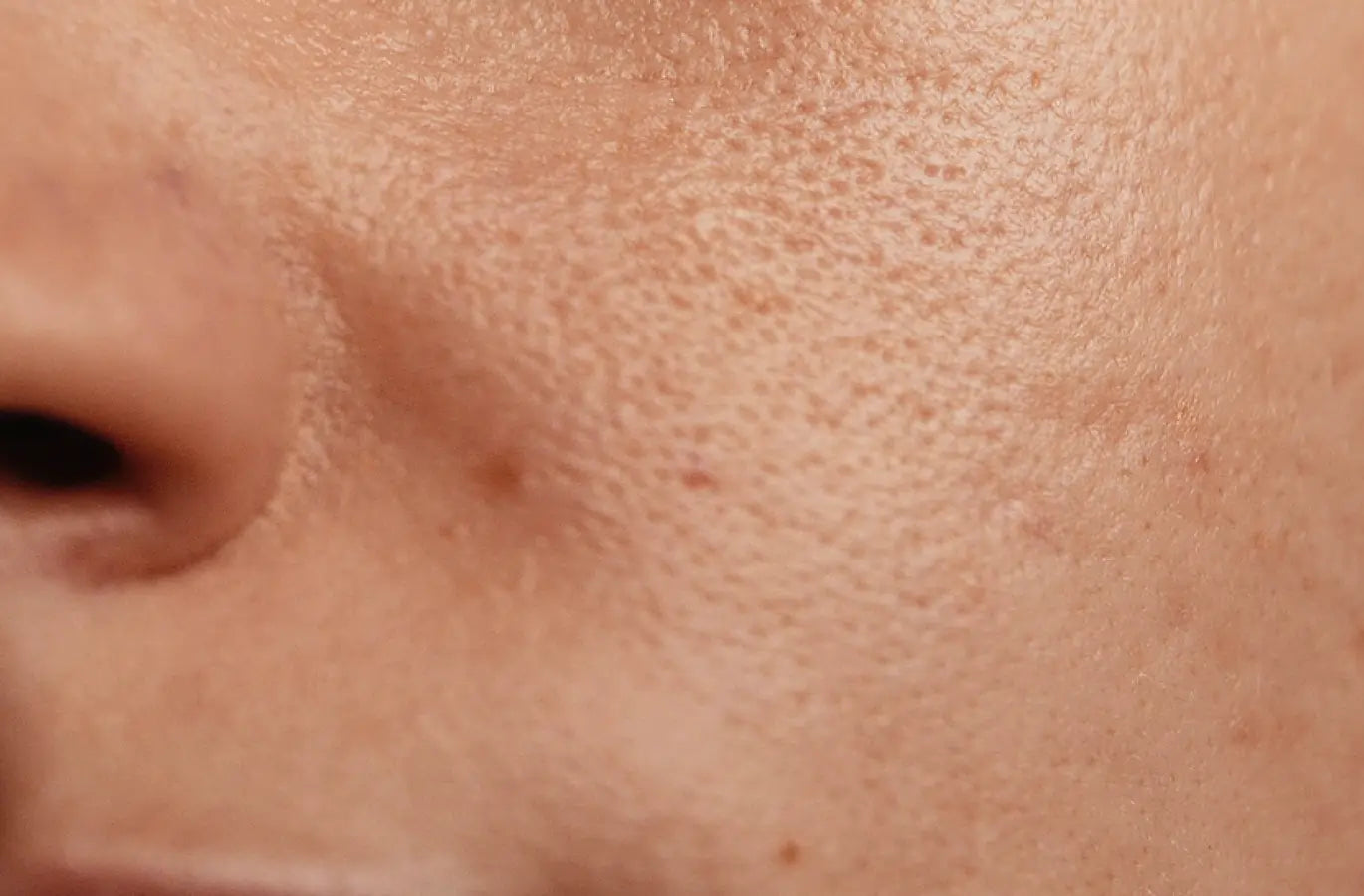
The skin microbiome refers to the vast community of microorganisms that naturally live on the surface of the skin. 2
These include bacteria, fungi, viruses, and other microscopic organisms.
Rather than existing separately from the skin, they interact continuously with it, forming a dynamic ecosystem.
Every person's microbiome is slightly different. 2
Microbial communities vary across the body depending on oil production, moisture levels, surface pH, environmental exposure 2 , and genetics. 3
Your skin is home to billions of microorganisms, many of which contribute to how the skin functions day to day. 2
When most people think about skin, they think about the surface they can see and feel. The microbiome is a layer of life that exists right alongside it, mostly invisible and constantly active.
Different parts of the body host different microbial communities. Oilier areas such as the forehead and back tend to support different microbial populations to drier areas, such as the forearms or lower legs. Even the same person's left cheek and right cheek can host slightly different communities. The skin is not one environment. It is many small environments stitched together.
What matters is not how many microorganisms are present, but how stable and diverse the community is. A healthy, diverse microbiome tends to support skin that feels calmer, more comfortable, and more resilient. A community that has become less diverse or less stable can leave the skin feeling more reactive or unsettled.

The Role of Microorganisms in Skin Health
These microbial communities are involved in several important processes, including helping maintain the skin's natural acidic surface pH, 4 interacting with immune signalling within the skin, 5 competing with potentially disruptive microbes, 2 and contributing to the resilience of the skin barrier. 1
What becomes increasingly clear is that microorganisms rarely act alone.
Their behaviour is shaped by the environment the skin creates.
The longer I worked with skin, the more I realised that skin often responds best when it feels supported rather than challenged.
These processes are quiet and continuous. You will not notice them happening, but you may notice when they stop working well.
Helping maintain the skin's surface pH. Healthy skin sits at a slightly acidic pH, typically below 5. Many of the microorganisms living on the skin contribute to maintaining this acidic environment, which in turn helps the skin function comfortably.
Interacting with immune signalling. Microorganisms on the skin communicate with the skin's immune system, helping it recognise what is supportive and what is not. The communication is part of how the skin responds to stress, irritation, and environmental change.
Competing with potentially disruptive microbes. A diverse microbiome occupies the skin's surface in a way that makes it harder for less helpful organisms to take hold. Diversity acts as a quiet form of protection.
Contributing to barrier resilience. The microbiome influences the conditions in which the barrier operates, including the lipids and hydration the barrier depends on. When the microbiome is supported, the barrier often functions more comfortably.
Skin behaves less like a surface to be controlled and more like a living system responding to its environment.
Skin as an Ecological System
When I began thinking about skin as an ecosystem, many of its behaviours started to make more sense.
Skin is constantly adjusting to the conditions around it.
Changes in barrier structure, 1 hydration, 1 inflammation, 5 and surface pH4 can all influence how microorganisms behave on the skin. 3
These are not signs that the skin has failed.
They are biological responses to changing conditions.
One of the things years of observing skin teaches you is that skin is constantly communicating. Most people already know when their skin feels comfortable and when it does not, even if they do not yet have the language for it.
How the Skin Microbiome Supports the Skin Barrier
One of the most important relationships within the skin is between the microbiome and the barrier. 1, 2
The microbiome exists on the surface of the skin, and its stability depends heavily on the structure beneath it.
The outermost layer of the skin barrier - the stratum corneum - is composed of corneocytes (skin cells) surrounded by a lipid matrix. 1
The matrix is made up of ceramides, cholesterol, and free fatty acids. 1
Together, this structure helps regulate hydration and maintain flexibility. 1
When the barrier feels more settled, the surface environment of the skin also tends to feel more stable. As that environment becomes more stable, microbial communities often appear more consistent as well. 2
Barrier function and microbiome conditions move together as part of the same biological system.
Each system shapes the conditions the other operates in. When the barrier is intact, the surface conditions tend to support a stable microbiome. When the microbiome is stable, those microbial communities help maintain the conditions the barrier depends on. The relationship works in both directions.
This is also why barrier disruption rarely happens in isolation. When the barrier is compromised, the surface environment shifts, and the microbiome shifts with it. The same is true in reverse. Disruption to one part of the system can influence the other, sometimes in ways that take time to become noticeable.
Factors That Influence the Skin Microbiome
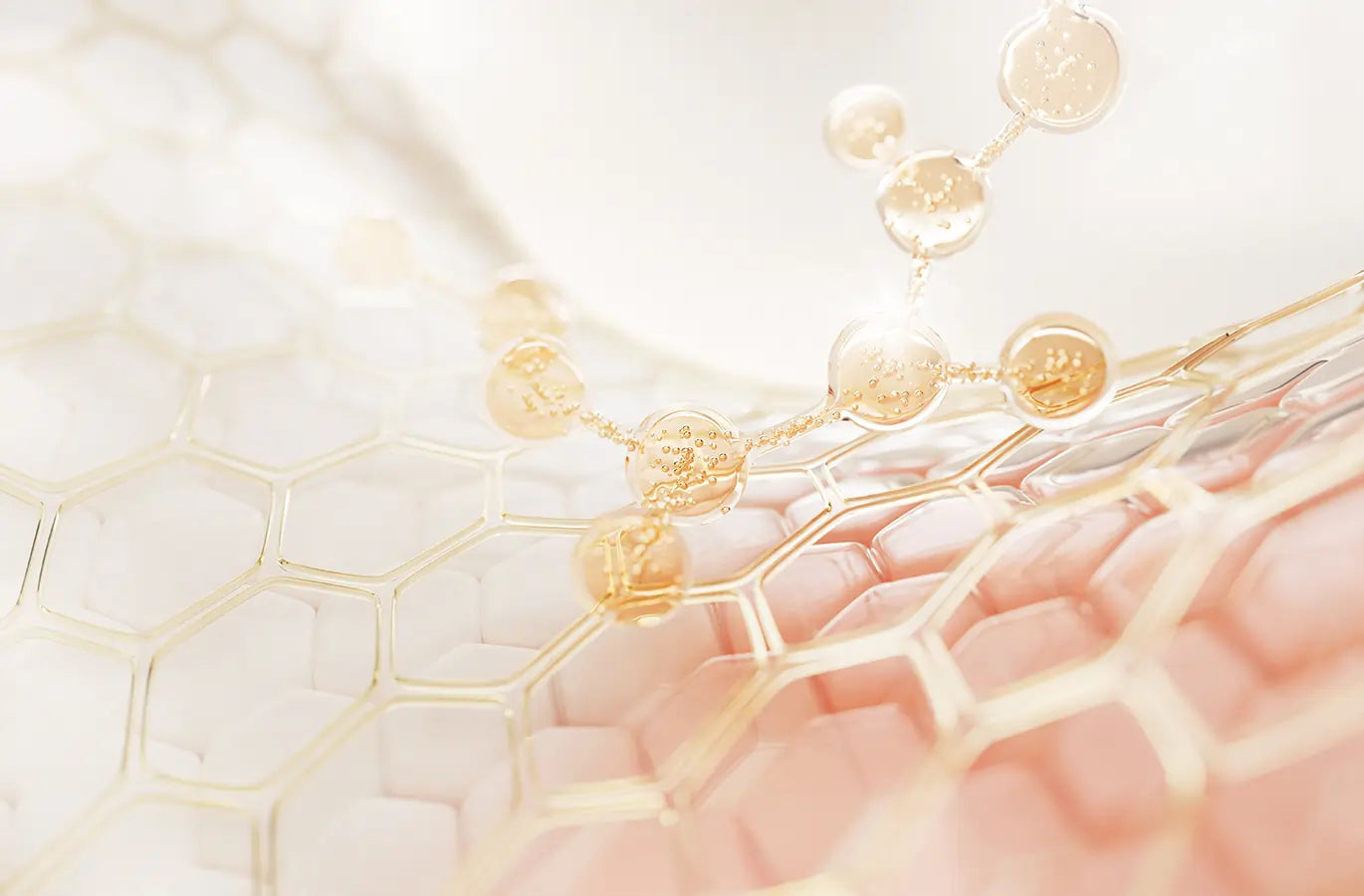
The skin microbiome is constantly adapting to its environment. 2
This can be influenced by environmental exposure (UV, pollution, climate), 6 skincare routines and product use, cleansing habits, stress and lifestyle factors, age and hormonal changes, and barrier condition. 1
These influences do not act in isolation.
Often, it is the accumulation of these influences that shapes how the skin behaves.
I have always found it interesting how quickly skin can change when the surrounding environment changes. Sometimes the smallest shift in routine, stress, climate, or barrier comfort can alter how skin feels surprisingly quickly.
I have always found it interesting how quickly skin can change when the surrounding environment changes. Sometimes the smallest shift in routine, stress, climate, or barrier comfort can alter how skin feels surprisingly quickly.
Each of these factors works differently, but they often interact.
Environmental exposure. UV radiation, pollution, climate, and seasonal change all shape the surface environment the microbiome lives in. Some of these factors act quickly. Others accumulate over time.
Skincare routines and product use. The products applied to the skin influence pH, hydration, and lipid composition on the surface. Frequent changes to routine, or layering many products together, can shift these conditions in ways the skin then has to manage.
Cleaning habits. How often you cleanse, what you cleanse with, and how long you spend doing it all affect the surface of the skin. Cleansing that is too frequent or too harsh can disrupt the conditions the microbiome relies on.
Stress and lifestyle. Stress influences the skin in ways that are still being studied, but the connection is consistent. Sleep, hydration, and overall well-being all shape how the skin responds.
Age and hormonal changes. The microbiome is not fixed across a lifetime. Hormonal shifts, life stages, and natural changes in skin biology all influence how microbial communities behave.
Barrier condition. As discussed in the previous section, the barrier and the microbiome are closely connected. When one is under pressure, the other tends to respond.
What influences the skin microbiome:
- environmental exposure: uv, pollution, climate
- skincare routines and product use
- stress, lifestyle, and hormonal changes
- barrier condition and hydration
Why Microbiome Balance Matters
Skin is often described as problematic.
To me, it more often looks like a system responding to pressure.
Redness, breakouts, sensitivity, or fluctuations in comfort are often signals, not defects.
They reflect how the skin is adapting to its environment.
Understanding the microbiome changes how we approach skincare.
Instead of trying to control the skin, the focus becomes supporting the conditions in which it can function comfortably.
In practice, this often shows up as small, ongoing changes rather than dramatic ones. Skin that used to feel calm becomes a little more reactive. A product that once worked now leaves the skin feeling tight. Recovery from a single late night or an unusually stressful week takes longer than it used to.
These shifts are not signs that the skin needs fixing. They are signs that the conditions the skin is operating in have changed.
When the microbiome is supported and the wider environment around it is stable, the skin tends to settle. Not always, and not always in the same way for every person, but consistently enough that recurring patterns begin to merge.
Redness, breakouts, sensitivity, or fluctuations in comfort are often signals, not defects.
What This Means for Skincare
When the skin is understood as a biological ecosystem, one thing becomes clear:
Stability rarely comes from doing more.
More often, it comes from consistency in routine, compatibility in formulation, allowing the skin space to adjust, and paying attention to signals such as tightness or sensitivity.
When the skin begins to feel more settled, the wider system often settles with it.
The focus becomes compatibility rather than control. .
In many ways, this is what led me toward biotechnology. For the first time, there was an opportunity to formulate with the level of precision, consistency, and compatibility I had been searching for in skin.
For many people, this shift in thinking is a relief. Skincare can become quieter rather than louder. A few products used consistently tend to work better than many products rotated frequently. The emphasis moves from chasing results to maintaining conditions.
None of this means that skincare stops mattering. It means the goal of skincare changes. The work of caring for skin becomes less about correcting it and more about creating the conditions in which it can do its own work.
Stability rarely comes from doing more. The focus becomes compatibility rather than control.
ONOURE®'s Approach to the Skin Microbiome
At ONOURE®, the skin microbiome is not treated as something to direct.
It is something to support.
Each formulation is developed to work in alignment with the skin, support the barrier, and be compatible with the microbiome.
With Kind to Biome® certification, formulations are independently tested to assess compatibility with the skin's natural ecosystem.
Because when the environment surrounding the skin is supported, the microbiome often flows.
What "support" actually looks like in practice starts with what is not included. Each formulation is developed with restraint, including only what is needed to work in alignment with the skin and avoiding ingredients that may unnecessarily disrupt the surface environment.
Compatibility is verified independently. Complete Serum has been tested and certified by Kind to Biome®, an independent quality mark that assesses whether a formulation respects the natural microbiome of healthy skin. This testing is conducted per product, not per brand, meaning each formulation is verified on its own merit.
This approach reflects a wider belief at ONOURE®. Skin does not need to be controlled or corrected. It needs the conditions around it to be supportive enough that it can function the way it is designed to.
Key Takeaways
The skin microbiome is the community of microorganisms that live on the surface of the skin, interacting continuously with it as a dynamic ecosystem.
Every person's microbiome is unique. It varies across the body, shaped by oil production, hydration, pH, environment, and genetics.
The microbiome and the barrier move together as part of the same biological system. When one is supported, the other tends to follow.
Common skin concerns such as redness, breakouts, or sensitivity are often signals from a system responding to pressure, not defects in the skin itself.
Environment, routines, stress, age, and barrier condition all shape how the microbiome behaves. Their effects accumulate over time.
Stability rarely comes from doing more. It often comes from consistency in routine, compatibility in formulation, and giving the space to adjust.
Frequently Asked Questions
No. Each person's microbiome is unique and varies across the body, environment, genetics, and conditions. 2, 3
Yes, indirectly. Skincare influences the environment of the skin, which can influence microbial behaviour. 3
Not necessarily. Many microorganisms contribute to how the skin functions and maintains balance. 2
The microbiome is dynamic. When the skin environment becomes stable, microbial communities often begin to adjust as well. 2, 3
The microbiome forms part of the skin's wider ecosystem and interacts closely with barrier function, immune signalling, hydration, and the surrounding skin environment. 1, 2, 5
- Elias PM. The skin barrier as an innate immune element. Seminars in Immunopathology. 2007.
- Grice EA, Segre JA. The skin microbiome. Nature Reviews Microbiology. 2011.
- Byrd AL, Belkaid Y, Segre JA. The human skin microbiome. Nature Reviews Microbiology. 2018.
- Lambers H et al. Natural skin surface pH is on average below 5, which is beneficial for its resident flora. International Journal of Cosmetic Science. 2006.
- Sanford JA, Gallo RL. Functions of the skin microbiota in health and disease. Seminars in Immunology. 2013.
- Krutmann J et al. The skin aging exposome. Journal of Dermatological Science. 2017.
Related articles
Microbiome Skincare: The Science-Backed Guide to Healthy Skin
A founder-led look at microbiome skincare - what it is, why the skin responds to it, and how to choose well.
Read more Read more
Biotechnology in Skincare: A More Considered Approach to Ingredients
A founder perspective on biotechnology, consistency, and how the skin responds over time.
Read more Read more
Skin Barrier and Balance: The Foundation of Healthy, Resilient Skin
A founder-led look at the skin barrier, why it matters, and how it shapes the way skin feels day to day.
Read more Read more