

Understanding Skin Biology: The Science Behind Healthy, Resilient Skin
Skin is a living system. Understanding it is the first step to supporting it.
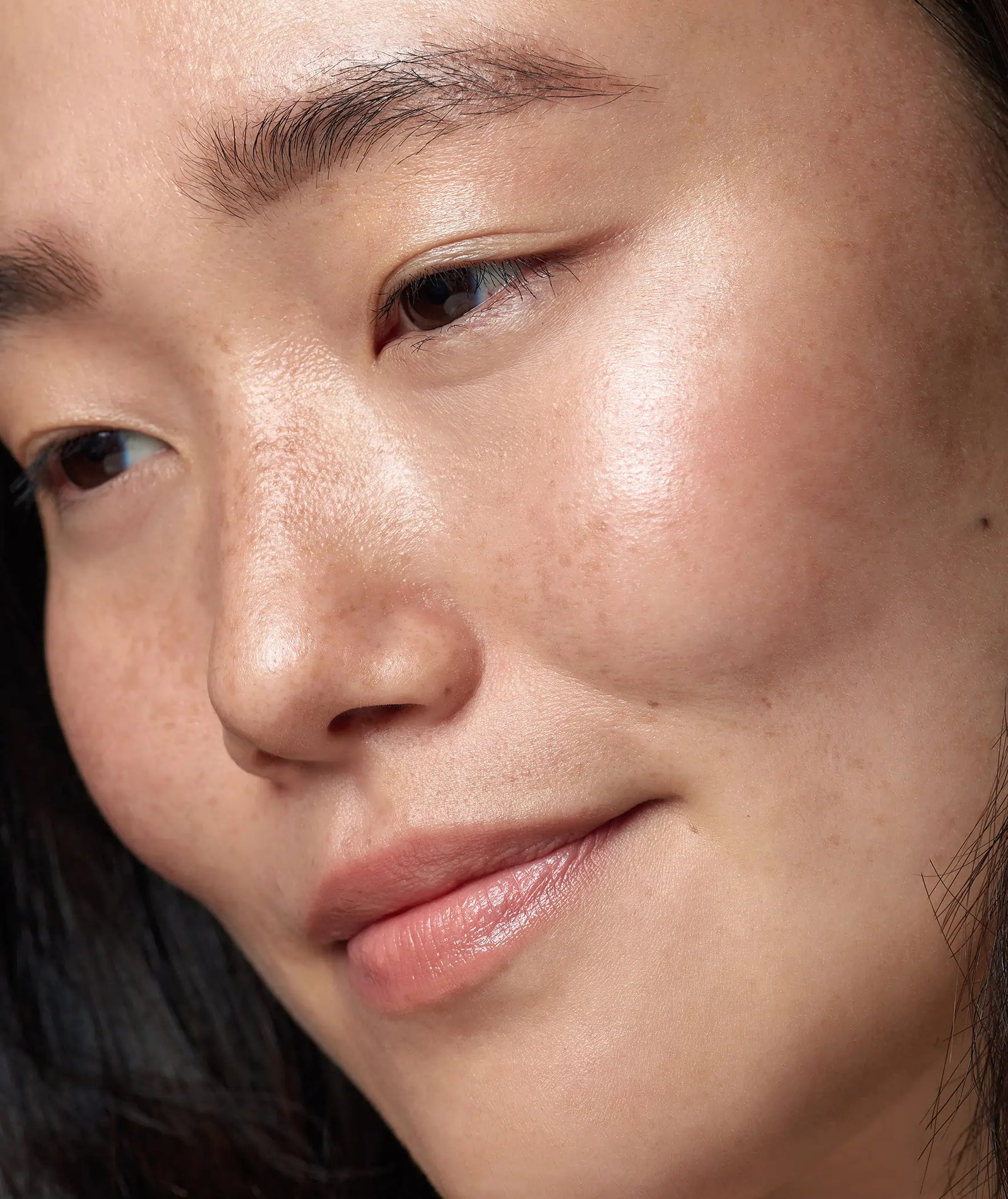
- why understanding skin biology matters
- the structure of skin and why it matters
- skin as a living system
- a personal perspective on skin
- the role of the microbiome in skin biology
- how skin biology changes
- environmental influence on skin biology
- supporting the skin's natural processes
- a final reflection
- key takeaways
- faqs
Why Understanding Skin Biology Matters
For a long time, skincare has centred around what we put on the skin.
Ingredients, strength, and results have shaped much of the conversation.
But working closely with skin over many years has shown something different.
Skin does not respond to a single ingredient. It responds to everything, and how it all interacts together.
Skin is not passive or fixed. It is a living, responsive biological system. 1
When you begin to see the skin in this way, even at a basic level, the approach to skincare starts to shift.
Not toward doing more, but toward doing what makes sense for the skin in front of you.

The Structure of Skin and Why It Matters
The skin is made up of multiple layers, each with a role to play.
The outermost layer, the epidermis, is where the skin barrier exists. 2 This is where the skin interacts directly with the environment, manages hydration, and supports the microbiome.
Beneath this sits the dermis, which provides structure and resilience. It contains collagen, elastin, and the components that give skin its strength and flexibility.3
Below that is the hypodermis, which supports cushioning and insulation.
While these layers are often described separately, they do not function independently.
They are constantly communicating.
What happens on the surface can influence what happens below, and changes within the body can present through the skin.
This is why the skin is often one of the first places where internal and external changes become visible.
Skin as a Living System
Skin is constantly responding to what is happening around it and within the body.
Things like environmental exposure, stress, sleep, hormonal changes, genetics, and the products applied to the skin all influence how it behaves.4 Even the composition of the skin microbiome can vary between individuals depending on genetics, environment, lifestyle, and the conditions present on the skin itself.5
This responsiveness is part of how skin maintains balance. The skin is not aiming for perfection.
It is working toward equilibrium.
This is why changes can show up in different ways. For some, it may feel like sensitivity. For others, congestion, dehydration, or simply a sense that the skin no longer feels as consistent as it once did.
These responses are not random. They are part of how the skin communicates.
One of the most consistent observations in my career, has been how responsive it truly is. When you begin to look at skin this way, the signals often start to make more sense.
Skin is always communicating. Reading those signals is part of working with it.
A Personal Perspective on Skin
My understanding of skin did not begin in a textbook. It began through experience.
From a young age, I was drawn to ingredients. Some of my earliest memories are of sitting with my beautiful mum, quietly “playing” with her creams and lotions. She was always patient, allowing that curiosity to unfold.
My own skin shaped that curiosity early. I grew up with eczema, and later psoriasis. My skin would sting, itch, and react in ways that made me aware, very young, that not everything works for every skin.
After completing my Diploma in Skin Therapy, I remember telling anyone who would listen that one day I would create my own skincare range.
Even then, I could see how differently skin behaved from person to person, and how often it responded to far more than just a single product or ingredient.
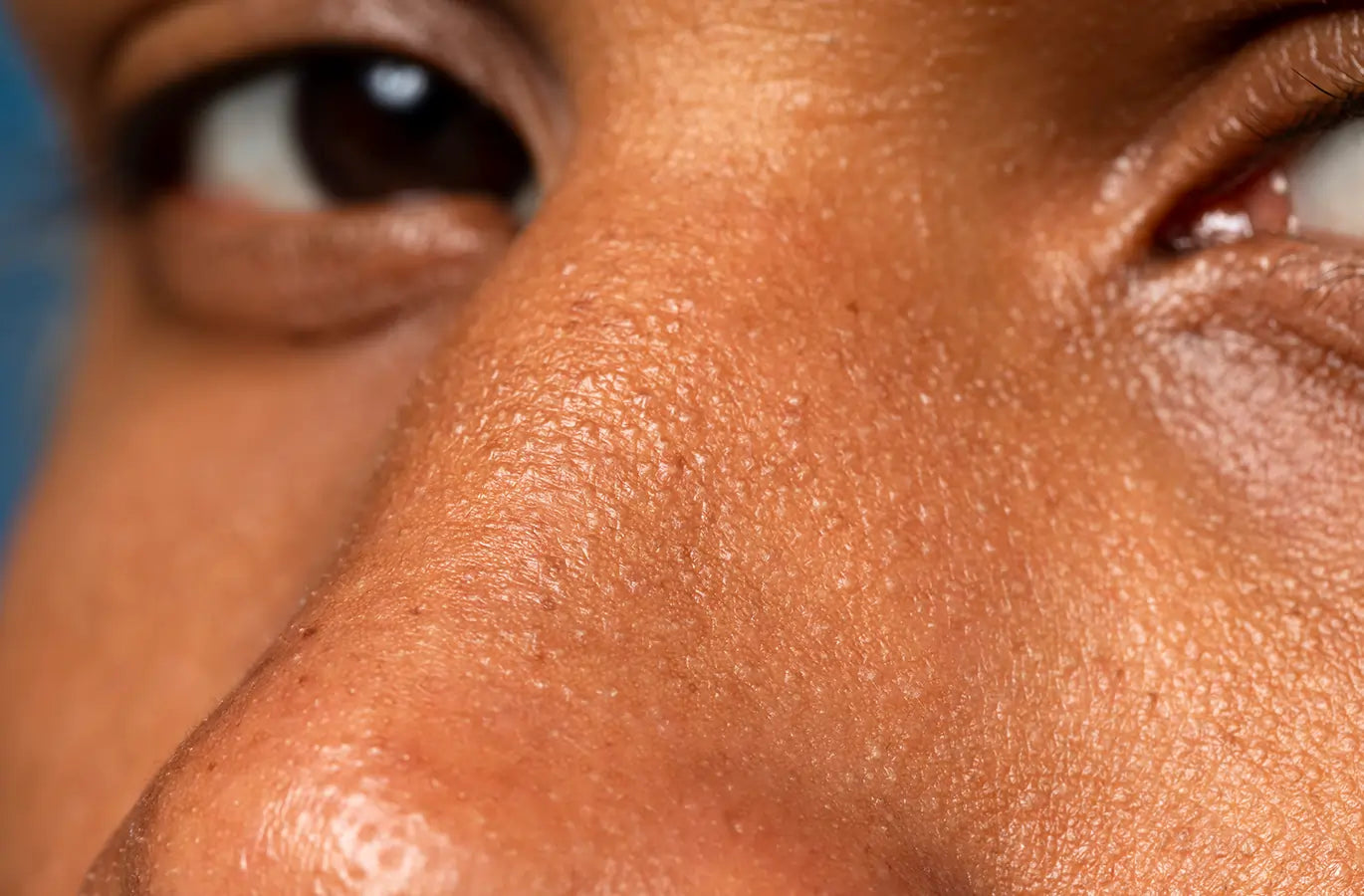
The search for the right ingredients
I tried to bring that vision to life many times, but something was always missing. The formulations available did not reflect what I was seeing in real skin, including my own.
Then, a few years ago, I discovered what biotechnology could make possible. It changed everything.
For the first time, there was a way to formulate with the level of precision, consistency, and compatibility I had been searching for.
Looking back, the idea was always possible. The ingredients simply were not ready yet.
That perspective still shapes how I approach skin today. I no longer see skin as something to control, but something to understand and support.
When the goal becomes understanding the skin, the way forward becomes clearer.
The Role of the Microbiome in Skin Biology
The skin microbiome forms part of this broader biological system.
It exists on the surface of the skin, interacting with the barrier and responding to the environment created there. Factors such as hydration, lipid composition, and pH all influence how microbial communities behave.5
When the skin feels more stable, the microbiome often appears more balanced. When the skin is under pressure, that balance can shift.
Why every person’s microbiome is different
One of the things that continues to interest me most is how differently these shifts can present from one person to another. The skin microbiome is highly individual, shaped not only by genetics, but by environment, lifestyle, age, immune activity, barrier integrity, and cumulative exposure throughout life.5
Increasingly, research is showing that these microbial communities do not simply exist on the skin passively. They interact continuously with the skin environment, influencing and responding to hydration, barrier function, inflammation, and resilience.5
This is partly why skin rarely responds identically from one person to another, even when the same products are used. Skin biology is dynamic, adaptive, and deeply individual.
The microbiome itself also reflects a lifetime of interaction between biology and environment. Research continues to show that microbial communities are influenced not only by genetics and early life exposure, but by climate, lifestyle, environment, age, stress, health, and the conditions the skin is repeatedly exposed to across different stages of life.5
In many ways, the skin carries a biological history of both where we come from and how we live. How incredible is that?
This is why the microbiome is best understood as part of the system, rather than something separate from it.
How Skin Biology Changes
The structure of the skin remains the same, but how it functions evolves.
You may notice that your skin behaves differently at different stages of life. Hydration may feel harder to maintain, responses to products may change, or recovery may take longer.
These shifts are influenced by both internal and external factors, including intrinsic ageing and environmental exposure.6
What often stands out in practice is that people feel these changes before they fully understand them.
They may describe their skin as suddenly different, when in reality the shift has often been happening gradually.
Skin is very good at adapting. But those adaptations can also influence how skin presents and responds.
What shapes how the skin behaves over time:
- Environment, climate, and pollution
- Stress, sleep, and hormonal changes
- Genetics and lifestyle
- Products, routines, and daily habits
Environmental Influence on Skin Biology
Skin is constantly interacting with its environment.
Exposure to UV radiation, pollution, climate, and temperature all influence how the skin behaves.7
These exposures do not act in isolation and can accumulate across a lifetime.
They can influence hydration, barrier function, and how the skin responds to stress.
Cumulative exposures can also influence how resilient, adaptable, and comfortable the skin feels.7 This helps explain why skin can change, even when routines remain largely the same.
The lifetime of influences on the skin
Increasingly, skin science is recognising that long-term skin health is rarely shaped by one single factor. Rather, it reflects the overall environment the skin is repeatedly asked to respond to each day.
This is sometimes referred to as the skin’s exposome, the sum of environmental influences experienced across a lifetime.7 It includes things such as UV exposure, pollution, climate, stress, sleep, lifestyle, and the environments we move through every day.
Understanding this can help shift the way we think about skin. Skin is not only responding to products. It is constantly responding to life itself.
Supporting the Skin’s Natural Processes
Skin is continuously working to maintain balance.
It regulates hydration, supports barrier function, interacts with its microbiome, and responds to both internal and external stress.
Supporting these processes is often less about intervention and more about the conditions surrounding the skin.
When the skin environment is constantly changing, it can become harder to recognise how the skin is responding.
As the skin environment becomes more stable and consistent, skin often appears more comfortable, resilient, and easier to understand.
One thing I have repeatedly observed is that skin responds well to stability. Not because it needs less care, but because it often benefits from consistency and compatibility.
This can allow the skin to function with greater ease.
Skin responds well to stability. Not less care, but more consistency.
A Final Reflection
Understanding skin biology does not mean needing to understand everything. But it does change how you see your skin.
It shifts the focus away from chasing outcomes and toward recognising what the skin is doing.
How a system view changes everyday decisions
When skin is viewed as a living biological system rather than something needing constant correction, the approach to care often becomes more thoughtful. Decisions become less about controlling the skin and more about understanding what may be influencing how it behaves.
This does not mean doing less for the sake of it. Rather, it reflects the idea that skin often functions best when the environment surrounding it feels more stable, compatible, and consistent.
The longer I have worked with skin, the more I have come to see how responsive it truly is. Skin is constantly adapting, communicating, and trying to maintain balance in response to both internal and external change.
Understanding this does not require expertise. But it can create perspective.
And when that perspective changes, decisions often become simpler.
Key Takeaways
Skin is a living biological system, not a surface to manage. Understanding it as a system changes how we approach skincare.
The skin’s layers do not function independently. The epidermis, dermis, and hypodermis communicate constantly, with each layer influencing the others.
Skin responds to far more than what is applied to it. Environment, stress, sleep, hormones, and genetics all shape how it behaves over time.
The microbiome is part of the skin system, not separate from it. When the skin is stable, the microbiome tends to follow.
The structure of the skin stays the same, but how it functions evolves. Many of the shifts people notice have been building gradually.
Skin responds well to stability. Not because it needs less care, but because consistency and compatibility help it function with greater ease.
Frequently Asked Questions
Skin biology refers to how the skin functions as a living system, including its structure, communication processes, protective functions, and how it responds to both internal and external influences.1
The structure of the skin remains the same, but how it functions evolves due to intrinsic ageing, environmental exposure, hormonal changes, stress, and other internal influences.6
Skin is highly responsive. Changes in environment, stress, sleep, hormones, climate, lifestyle, and overall skin condition can all influence how it behaves and presents.4
The microbiome forms part of the skin’s ecosystem and interacts closely with barrier function and the surrounding skin environment.5
Yes. Genetics can influence factors such as barrier function, oil production, immune responses, and the overall skin environment, all of which may affect the composition and behaviour of the skin microbiome.5
You cannot change how the skin is biologically designed to function, but you can influence the conditions it operates within, which may affect how it responds.
- Proksch E, Brandner JM, Jensen JM. The skin: an indispensable barrier. Experimental Dermatology. 2008.
- Elias PM. Skin barrier function. Journal of Investigative Dermatology. 2007.
- Sherratt MJ. Tissue elasticity and the ageing elastic fibre. Age. 2009.
- Madison KC. Barrier function of the skin. Journal of Investigative Dermatology. 2003.
- Grice EA, Segre JA. The skin microbiome. Nature Reviews Microbiology. 2011.
- Rittie L, Fisher GJ. Natural and sun-induced aging of human skin. Cold Spring Harbor Perspectives in Medicine. 2015.
- Krutmann J et al. The skin aging exposome. Journal of Dermatological Science. 2017.
Related articles
What is the Skin Microbiome? A Complete Guide
A founder-led guide to the skin microbiome, how it works, what shapes it, and why supporting it matters more than controlling it.
Read more Read more
Biotechnology in Skincare: A More Considered Approach to Ingredients
A founder perspective on biotechnology, consistency, and how the skin responds over time.
Read more Read more
Skin Barrier and Balance: The Foundation of Healthy, Resilient Skin
A founder-led look at the skin barrier, why it matters, and how it shapes the way skin feels day to day.
Read more Read more