

The Skin Microbiome and Skin Barrier: One Connected System.
Why I stopped seeing the barrier and microbiome separately.
- what actually connects the barrier and the microbiome
- why i stopped seeing the barrier and microbiome separately
- what happens when skin becomes unsettled
- why modern life can challenge both
- what three clients taught me about skin
- the role of stability
- can you support both the barrier and the microbiome
- what i would tell my younger self
- key takeaways
- faqs
What Actually Connects the Barrier and the Microbiome
For a long time, I thought I was failing.
I was doing what I had been taught. I was following the advice available at the time. I was using the products that promised to help. Yet my own skin remained sensitive and unpredictable. In clinic, I saw similar patterns.
Some clients improved, but many seemed trapped in cycles of progress and setback.
Like many skin professionals, I understood the skin barrier. I understood the skin microbiome. What I did not fully appreciate was how closely connected they were.6
I thought of them as separate topics. What changed was not the skin. What changed was the way I was looking at it.
Once I began viewing them as parts of the same system, many of the patterns I had been observing for years started to make sense.
The body rarely responds in isolation. When the barrier becomes compromised, the environment the microbiome depends on changes. When the microbiome becomes unsettled, the barrier often struggles to function as effectively as it should. The two are constantly influencing one another.
Understanding that relationship changed the way I approached skin, both professionally and personally.

Two stories usually told apart
The skin barrier and skin microbiome are often discussed separately. The barrier is usually described as the outermost protective layer of the skin.
It helps regulate water loss, supports hydration, and acts as one of the body's first points of interaction with the outside world.1
The microbiome refers to the diverse community of microorganisms that live on the surface of the skin. These organisms are not simply passive residents. They form part of a dynamic ecosystem that interacts with the skin every day.2
While the barrier and microbiome are often explained independently, they are deeply connected. The barrier helps create the environment the microbiome lives within. It influences hydration, surface acidity (pH), nutrient availability, and the overall conditions present on the skin's surface.
In turn, the microbiome contributes to the environment the skin requires to function effectively.2
Neither operates in isolation.
A useful way to think about them is as parts of the same ecosystem. Changes in hydration can influence microbial balance. Changes in microbial balance can influence inflammation. Changes in inflammation can influence barrier performance. Each part affects the others.3
Understanding this relationship helps explain many of the patterns people experience every day.
Understanding the two as one system helps explain everyday experiences:
- WHY SKIN SUDDENLY REACTS TO PRODUCTS IT ONCE TOLERATED
- WHY DRYNESS AND SENSITIVITY SO OFTEN APPEAR TOGETHER
- WHY A ROUTINE CAN WORK, THEN QUIETLY STOP WORKING
- WHY SKIN CAN TAKE WEEKS, NOT DAYS, TO RETURN TO COMFORT
The barrier and the microbiome are not two topics sitting side by side. They are one connected environment, constantly shaping each other.
Why I Stopped Thinking About the Skin Barrier and Microbiome Separately
It took me many years to fully understand this.
I have always asked questions. Throughout my career, I often found myself exploring beyond conventional thinking, particularly when the answers available did not align with what I was seeing in practice or experiencing personally.
The years I spent blaming myself
In my early years, that created a great deal of self-doubt. My own skin remained sensitive despite following advice that appeared to work for many others. As someone living with psoriasis, I often blamed myself when my skin flared.
I wondered whether I had chosen the wrong products, followed the wrong routine, or simply failed to understand my own skin.
Professionally, I experienced similar frustrations. There were times when I felt I was helping clients improve, only to see their skin return to a familiar cycle of discomfort and instability.
What I eventually came to understand was that many of us were viewing the problem through a fragmented lens. We talked about barrier repair. We talked about microbiome balance. But we rarely talked about how dependent they are on one another.
Once that connection clicked, my entire approach began to change. Rather than focusing on individual symptoms, I started paying more attention to the environment the skin was being asked to function within.
I became increasingly interested in stability, consistency, and reducing unnecessary disruption.
The more I observed, the more I realised that people often respond differently when we stop asking their biology to constantly adapt.
What Happens When Skin Becomes Unsettled?
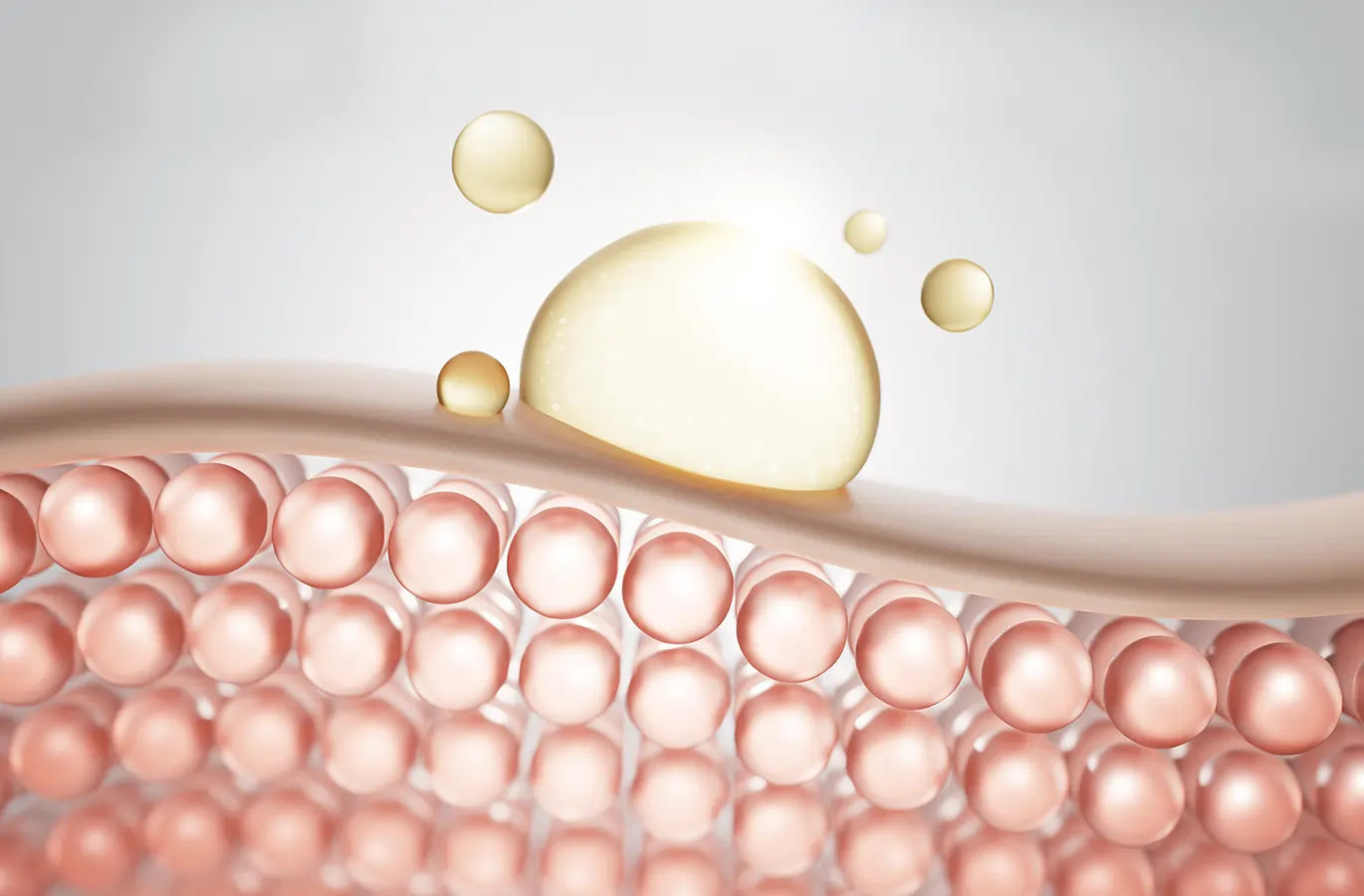
When the skin barrier becomes compromised, the environment surrounding the microbiome changes. Hydration levels may shift. Surface conditions can become less stable. The skin may become more reactive to things it previously tolerated.1
At the same time, changes within the microbiome can influence how effectively the barrier performs its role.3, 5
This is one reason sensitivity, dryness, discomfort, redness, and irritation often appear together.
Which comes first stops being the useful question
People sometimes ask whether barrier disruption causes microbiome imbalance or whether microbiome imbalance causes barrier disruption. In reality, the two are so closely connected that separating them is often difficult.3
By the time someone notices dryness, sensitivity, discomfort, or increased reactivity, both the barrier and microbiome are often already participating in the same conversation. Once one begins to struggle, the other often feels the effects.
The skin is rarely dealing with one isolated issue. It is trying to maintain balance across an interconnected ecosystem.
Rather than asking which came first, I have found it more useful to ask what conditions might help both systems return to greater balance. That shift in thinking changed my approach to skin care significantly.
It moved my attention away from isolated symptoms and towards the broader environment the skin was trying to function within.
Rather than asking which came first, ask what conditions help both systems return to balance.
Why Modern Life Can Challenge Both
The skin barrier and microbiome do not exist in isolation from the rest of our lives.
Every day, the skin is responding to environmental, behavioural, and biological influences. UV exposure, pollution, climate, stress, illness, medications, sleep quality, and skincare habits can all influence the conditions the skin is working within.4
Some of these influences are unavoidable. Others occur gradually enough that we may not notice their cumulative effect.
This is one reason I believe skin should never be viewed in isolation from the rest of the body. Sleep, stress, illness, hormonal changes, nutrition, medications, and environmental exposures all influence the conditions the skin is being asked to function within.
The surface often provides visible clues that something, somewhere, is asking the body to adapt.
What I noticed when sanitising became constant
During periods when cleansing and sanitising became a far more frequent part of daily life, I began noticing a consistent pattern in clinic. Skin that had previously felt stable often became more reactive, particularly around the mouth and lower face.
It frequently appeared tighter, more sensitive, and slower to return to comfort.
These observations reinforced something I had already begun to suspect. Skin does not always struggle because of one dramatic event. Often it is the accumulation of small disruptions over time that begins to influence how comfortably the barrier and microbiome function together.
What Three Clients Taught Me About Skin
Some of the most important things I have learned about skin did not come from textbooks, conferences, or ingredient presentations. They came from people.
The oncology client who recovered by doing less
One of those people was an oncology client who remains one of the most remarkable women I have ever had the privilege to care for.
She was living with the effects of cancer treatment and, like many people going through that experience, her skin was often red, hot, dry, and uncomfortable.
Instead of adding more, we simplified everything. Her routine became incredibly gentle. The focus was comfort, consistency, and helping her skin feel supported while her body was dealing with far greater challenges.
What struck me most was how well her skin repeatedly recovered. Not because we had discovered a miracle solution, but because we stopped asking her skin to constantly respond to new things.
Years later, I still think about what she taught me. Sometimes the most supportive thing we can do is create conditions that allow the skin to do what it is already trying to do.
The young woman whose skin looked overwhelmed
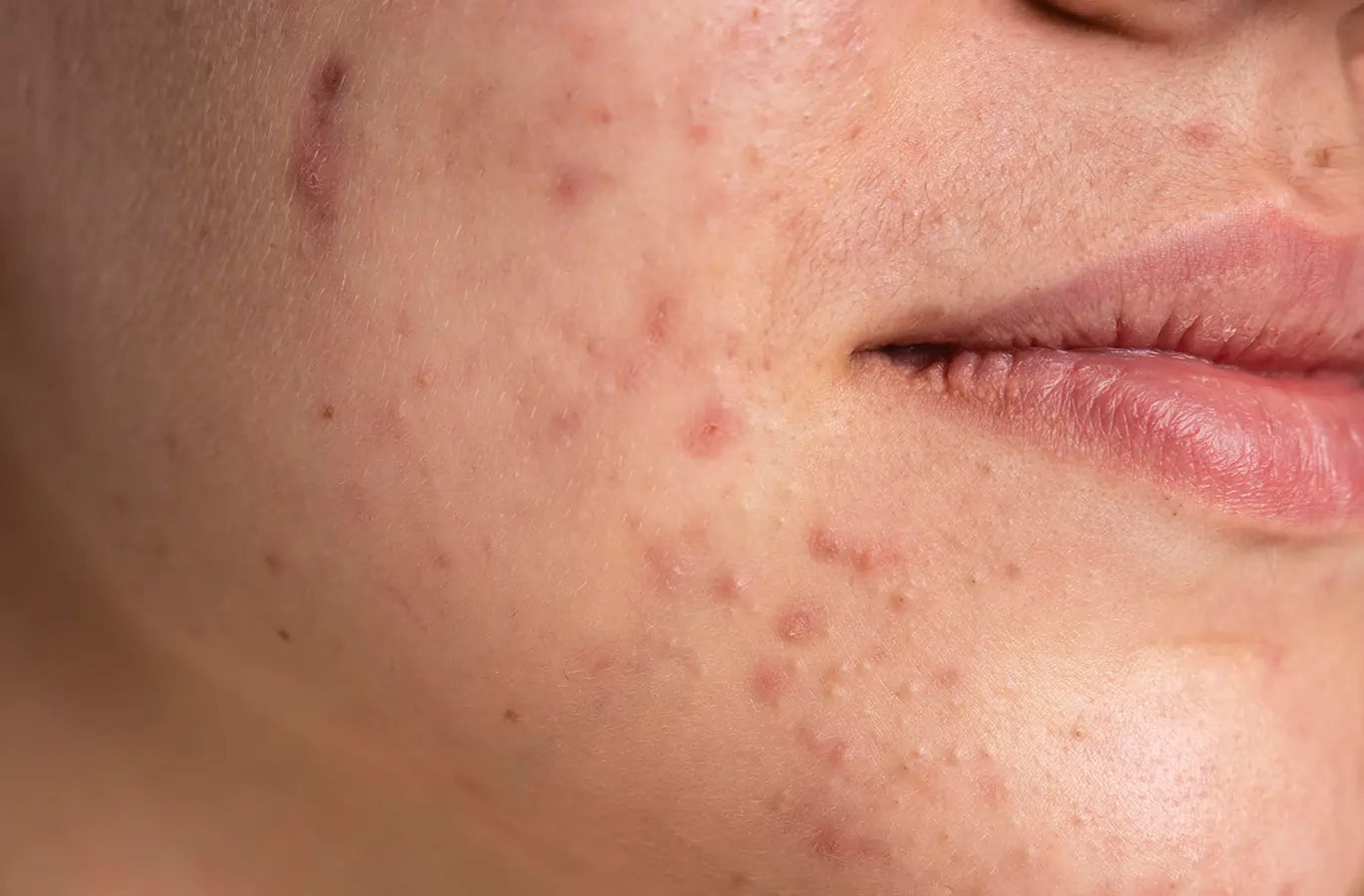
Another client was a young woman struggling with acne. By the time she arrived at my clinic, she had spent more than a year receiving treatments and using an ever-growing collection of products.
What I saw when she walked through the door was not simply acne. I saw skin that looked overwhelmed.
So we simplified everything. Over the following weeks, her skin gradually became calmer and more comfortable once we stopped constantly changing the environment around it.
The rosacea client and the quiet power of consistency
Then there was a client living with rosacea. Rosacea is a complex condition and I would never suggest there is a simple answer for everyone. Yet I remember one appointment vividly because she walked through the door and something immediately looked different.
She was not red. She noticed it too.
When we talked through what had changed, there was very little to discuss. The biggest change was consistency. For several weeks she had been using the same routine without constantly experimenting or searching for the next solution.
Those three women had very different skin concerns and very different lives. Yet they all reinforced the same observation. The skin barrier and microbiome seem to function best when the environment around them becomes more stable.
The Role of Stability
If there is one idea that has shaped my philosophy more than any other, it is this: the skin barrier and microbiome both appear to thrive when the environment around them becomes more stable.
Living systems tend to function best when conditions are relatively consistent. The skin is no different. When we constantly change products, routines, treatments, or exposures, the skin is required to continually adapt.
Adaptation is one of the skin's greatest strengths. But it is also one of the reasons some skin eventually appears tired, reactive, or unsettled.
One observation has stayed with me throughout my career. Living systems rarely benefit from confusion. Some of the most meaningful improvements I have witnessed occurred when people stopped changing things. Consistency became more important than intensity.
This does not mean doing nothing. It means becoming more thoughtful about what we ask our biology to respond to.
Can You Support Both the Barrier and the Microbiome?
I believe you can. In fact, I think it is difficult to support one without considering the other.
This does not necessarily require a complicated routine. It often begins with understanding that skin is a living system rather than a collection of isolated concerns.
The principles that help create that environment are simple:
- SUPPORTIVE SKINCARE
- APPROPRIATE CLEANSING
- CONSISTENCY
- PATIENCE
While the science surrounding the skin microbiome continues to evolve, one theme appears consistently throughout the research. The barrier and microbiome are not independent systems operating side by side. They are interconnected components of the same biological environment.3
When the environment around them becomes more stable, both the barrier and microbiome appear better positioned to do what they are naturally designed to do.
Importantly, support does not always mean intervention. Sometimes support means allowing the skin time to do what it has evolved to do.
Support does not always mean intervention. Sometimes it means giving skin the time and stability to do what it is already trying to do.
What I Would Tell My Younger Self
If I could speak to myself thirty-five years ago, I would tell her not to panic every time skin became unsettled.
Not every flare needs more intervention
I would tell her that not every flare, every reaction, or every period of discomfort is a sign that more products, more treatments, or more intervention are needed.
I would tell her that skin is often working incredibly hard to restore balance on its own.
I would tell her that some challenges are inherited, some are influenced by health, and some simply require time.
Most importantly, I would tell her that the skin barrier and microbiome are not separate problems to solve. They are part of the same living system, constantly communicating and adapting together.
What the lessons were really about
Looking back, I realise that some of the most important lessons I learned about skin were not really about products at all. They were about patience. They were about observation.
They were about understanding that skin is a living system, not a problem to be solved.
Understanding that changed the way I cared for my own skin. It changed the way I cared for the thousands of people who entrusted me with theirs.
And it continues to shape the way I think about the connection between skin, wellness, and the wider systems that influence both.
Key Takeaways
The skin barrier and microbiome are not separate systems. They are interconnected parts of the same living environment, so a change in one is felt by the other.
Barrier disruption and microbial imbalance usually arrive together. By the time skin feels dry, reactive or uncomfortable, both are already involved.
With the skin barrier and microbiome, which came first matters less than what conditions help both return to balance.
Modern life challenges both systems gradually. It is often the accumulation of small disruptions, not one dramatic event, that unsettles skin.
The skin barrier and microbiome function best with stability, where consistency in a routine matters more than intensity or constant change.
Supporting the skin barrier and microbiome sometimes means doing less, giving skin the time and stability to do what it is already trying to do.
Frequently Asked Questions
The two are closely linked, so when the barrier is under pressure the environment the microbiome depends on tends to change as well. They are best understood as one connected system rather than two separate concerns.
It varies from person to person, but skin often takes weeks rather than days to return to comfort. Allowing a stable, consistent environment gives both the barrier and microbiome time to settle.
Skin does not exist in isolation from the rest of the body. Sleep, stress, illness, hormonal changes, nutrition and environment all influence the conditions the skin is working within, and the surface often reflects that.
Frequent or harsh cleansing can change the conditions on the skin's surface, which both systems depend on. Many people find skin becomes more reactive and slower to recover when cleansing is too frequent or stripping.
Living systems tend to function best when conditions are relatively consistent. A simpler, steadier routine asks the skin to adapt less often, which can help both the barrier and microbiome find balance.
- Proksch E, Brandner JM, Jensen JM. The skin: an indispensable barrier. Experimental Dermatology. 2008;17(12):1063-1072.
- Grice EA, Segre JA. The skin microbiome. Nature Reviews Microbiology. 2011;9(4):244-253.
- Byrd AL, Belkaid Y, Segre JA. The human skin microbiome. Nature Reviews Microbiology. 2018;16(3):143-155.
- Krutmann J, Passeron T, Gilaberte Y, et al. The skin exposome. Journal of the European Academy of Dermatology and Venereology. 2021;35(S1):4-8.
- Harris-Tryon TA, Grice EA. Microbiota and maintenance of skin barrier function. Science. 2022;376(6596):940-945.
- Sanford JA, Gallo RL. Functions of the skin microbiota in health and disease. Seminars in Immunology. 2013;25(5):370-377.
Related articles
What is the Skin Microbiome? A Complete Guide
A founder-led guide to the skin microbiome, how it works, what shapes it, and why supporting it matters more than controlling it.
Read more Read more
Skin Barrier and Balance: The Foundation of Healthy, Resilient Skin
A founder-led look at the skin barrier, why it matters, and how it shapes the way skin feels day to day.
Read more Read more
Understanding Skin Biology: The Science Behind Healthy, Resilient Skin
A founder-led look at skin biology, the structure beneath the surface, and why understanding it changes the way we care for skin.
Read more Read more